
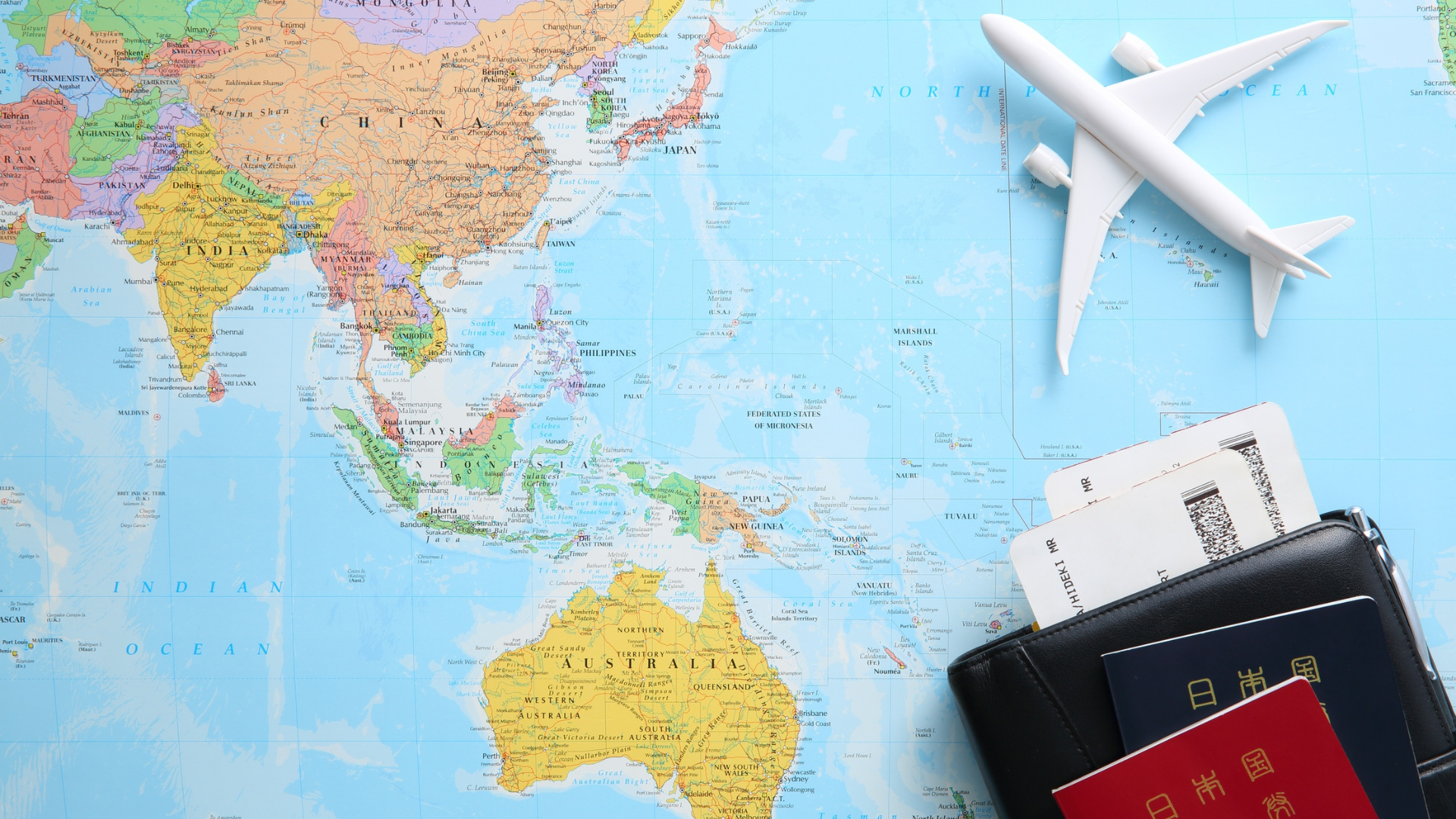
Planning an international trip for the first time can be both exciting and overwhelming. Understanding the key steps involved in preparing for such a journey is essential for first-time travelers. From selecting the right destination to budgeting and obtaining necessary travel documentation, each element plays a critical role in ensuring a smooth experience.
Research is crucial in the early stages of planning. Travelers should explore potential destinations based on their interests, safety, and cultural experiences. Creating a well-structured itinerary while considering travel rules will help in making informed decisions that align with personal preferences.
Financial planning is another significant aspect. Establishing a budget that includes flights, accommodations, meals, and activities can prevent unexpected expenses. Utilizing travel apps and websites allows travelers to compare prices and find the best deals, ensuring they maximize their adventure without overspending.
Pre-Departure Preparation
Prior to embarking on an international trip, thorough preparation is essential. This phase ensures that travelers are well-informed and equipped with the necessary documentation and health precautions.
Researching Your Travel Destination
Understanding the travel destination is crucial for a successful trip. Travelers should explore cultural norms, popular attractions, local customs, and safety tips. Resources like travel guides and blogs provide insights into the region’s highlights and hidden gems.
Checking the local climate can influence packing choices. Additionally, looking into transportation options helps in planning itineraries. Establishing a rough budget based on expected expenses is also advisable. This research should include reviewing reviews and recommendations from other travelers.
Securing Essential Travel Documents
Travelers must gather all essential documents before departure. This typically includes a passport, copies of reservations, and identification.
It is wise to make digital and physical copies of crucial documents. These should be stored separately from the originals in case of loss or theft. Consider a travel wallet for the organization.
As an added measure, providing family or friends with itineraries enhances safety and communication. Ensuring that all documents are up to date can prevent last-minute complications.
Understanding Passport and Visa Requirements
Each country has specific passport and visa requirements that travelers must meet. A valid passport is necessary for international travel, and it should have a remaining validity of at least six months.
Visa requirements vary based on nationality and destination. Researching the specific visa type—tourist, business, or transit—is crucial. Some countries offer e-visas, simplifying the application process. It’s important to apply for a visa well in advance to accommodate processing times.
Getting Vaccinations and Health Preparations
Health precautions are vital for safe travel. Travelers should check recommended vaccinations for their destination. Some regions may require vaccines, like Yellow Fever or Hepatitis A.
Consulting a healthcare professional ahead of time is advisable. They can provide personalized advice based on health history and destination.
Additionally, packing a travel health kit with basics like pain relievers, antiseptics, and prescribed medications is beneficial. Staying informed about local health advisories can further ensure safety during the trip.
Smart Trip Planning
Effective trip planning requires careful attention to budgeting, booking, and itinerary creation. These elements are crucial for a successful and enjoyable international trip.
Budgeting and Saving Money for Your Trip
Creating a budget is essential. Travelers should determine the total amount they can spend on their trip, and then break it down into categories, such as flights, accommodations, food, and activities.
- Set a Daily Spending Limit: Divide the total budget by the number of days traveled to manage daily expenses.
- Look for Discounts: Utilize websites that offer travel deals, cash-back opportunities, and coupons.
Setting up a travel savings account can be effective. Automating transfers to this account each month ensures travelers steadily accumulate funds. Additionally, cutting back on non-essential expenses can help them reach their savings goals faster.
Booking Flights and Accommodation
Finding the right flights and accommodations can significantly influence the trip’s overall cost. To secure the best deals, it is vital to compare multiple booking sites.
- Use Flexible Dates: Flights often vary in price based on the day of the week. Being flexible can lead to substantial savings.
- Consider Alternative Airports: Nearby airports may offer cheaper flights.
When choosing accommodations, travelers should evaluate options beyond traditional hotels. Rentals (like Airbnb) or hostels might provide more affordable and unique experiences. It’s also wise to read reviews to ensure quality before booking.
Creating a Detailed Travel Itinerary
A detailed itinerary serves as a roadmap for the trip. Travelers should include essential information such as flight times, accommodation addresses, and planned activities.
- Prioritize Must-See Attractions: List the top sites based on personal interest.
- Include Downtime: Schedule some free time to explore spontaneously.
Utilizing apps or printable templates can aid in organizing all vital information. Sharing the itinerary with friends or family can also be beneficial for safety and logistical reasons.
Packing and Final Travel Tips
Packing efficiently and ensuring readiness for unforeseen situations are crucial steps in preparing for international travel. Consider essential items, protective measures, and how to navigate the airport experience smoothly.
Packing Essentials for International Travel
Choosing the right luggage is essential. A durable suitcase or backpack that complies with airline size restrictions makes travel easier. Packing cubes can help organize clothing, while ziplock bags are useful for liquids.
Essentials to Pack:
- Clothing: Lightweight layers are advisable to accommodate varying weather conditions.
- Toiletries: Travel-sized items in a clear, resealable bag meet airport regulations.
- Travel Adapter: A universal travel adapter is necessary for charging devices in different countries.
It’s wise to have a light jacket or sweater, as planes can be cold. Don’t forget medications, a first-aid kit, and copies of important documents like your passport.
Travel Insurance and Emergency Preparation
Travel insurance offers peace of mind. It can cover trip cancellations, medical emergencies, and lost belongings. Research policies that cater to your destination and activities planned.
Key Considerations for Travel Insurance:
- Medical Coverage: Ensure it covers international healthcare expenses.
- Emergency Numbers: Familiarize yourself with local emergency services. For example, in many countries, dialing 112 connects to emergency services.
Keep a list of important contact numbers in case of emergencies. This includes the local embassy or consulate, which can assist with lost passports or legal issues.
Preparing for the Airport Experience
Navigating the airport can be stressful. Arriving early helps reduce anxiety, allowing time for check-in and security.
Airport Preparation Tips:
- Check Flight Status: Monitor real-time updates to avoid missed connections.
- Security Readiness: Pack electronics and liquids for easy access during security checks.
Having a boarding pass either printed or on a mobile device expedites the process. Dress comfortably and wear shoes that are easy to remove. Bringing snacks and a reusable water bottle can make long waits more bearable.
Navigating Your Destination Abroad
Understanding how to navigate a foreign destination is crucial for any traveler. Embracing local customs, breaking through language barriers, and mastering transportation options can significantly enhance the travel experience.
Understanding Local Customs and Cultural Differences
Being aware of local customs is vital when visiting a new country. Different cultures may have unique traditions, holidays, and social norms. For instance, in Japan, bowing is a common greeting, while in France, a light kiss on the cheek may suffice.
Travelers should research specific customs related to dining, greetings, and appropriate dress. Respecting local traditions fosters goodwill and can prevent misunderstandings. Additionally, observing local etiquette can provide richer interactions with residents.
Overcoming Language Barriers
Language can be a significant hurdle when exploring a foreign land. Even basic proficiency in the local language can boost confidence and enhance communication. Many travelers use translation apps to help bridge the gap.
Helpful Tips:
- Learn Key Phrases: Simple greetings, thanks, and polite requests are essential.
- Carry a Phrasebook: A compact phrasebook can be beneficial for quick reference.
- Use Visual Aids: Picture apps or gestures can aid in conveying meaning.
Engaging with locals in their language can lead to more authentic experiences. Many appreciate the effort, even if the pronunciation is not perfect.
Transportation and Sightseeing Options
Navigating a new city requires understanding available transportation options. Public transport, including buses and subways, often proves efficient and economical.
Common Transportation Options:
- Buses and Trains: Often the most cost-effective means, with extensive networks in cities like London or Tokyo.
- Ride-Sharing Services: Apps like Uber are prevalent in many countries and offer convenience.
- Bicycles and Walking: Many cities encourage biking or walking as eco-friendly options.
For sightseeing, guided tours can provide valuable insights into history and culture. Alternatively, exploring on foot allows travelers to discover hidden gems. Prior research on popular attractions can ensure a fulfilling itinerary.