
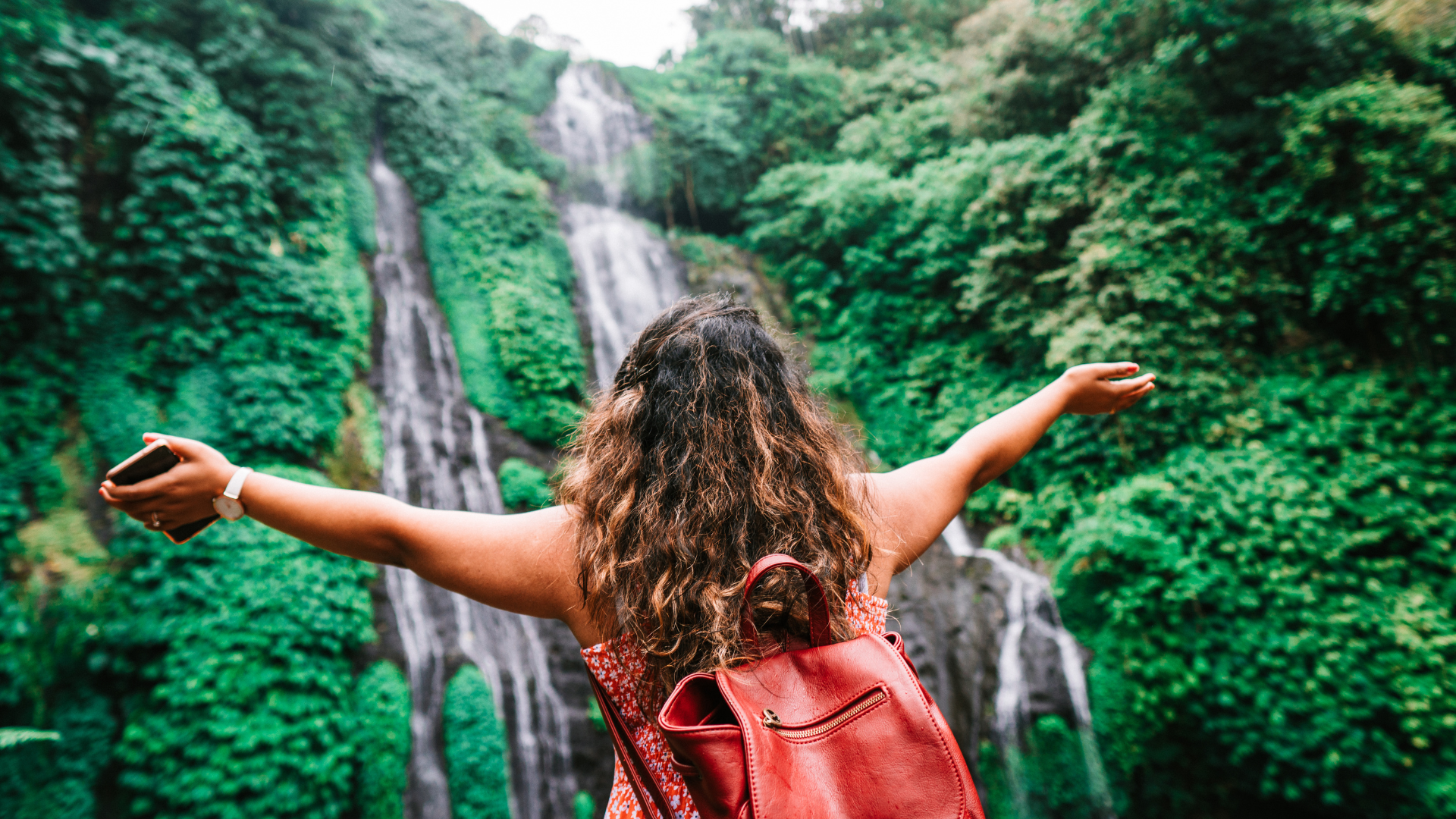
Long-term travel can be an enriching experience that transforms perspectives and creates lasting memories. To make the most of such journeys, it’s essential to plan wisely, maintaining a balance between adventure and practicality. Seasoned travelers often share that thoughtful preparation can significantly enhance the enjoyment and feasibility of extended trips.
Managing budgets, packing smartly, and choosing the right destinations are just a few factors that play a critical role in long-term travel success. Each tip presented in this article aims to equip travelers with strategies to overcome common challenges they may encounter on the road. By addressing these key areas, they can navigate their adventures more smoothly.
Whether embarking on a sabbatical, a gap year, or an extended vacation, understanding the intricacies of long-term travel can lead to unforgettable experiences. From personal safety to cultural immersion, these tips will guide travelers toward making informed decisions and embracing opportunities along the way.
Essential Preparation for Long-Term Travel
Preparation is crucial for successful long-term travel. It involves organizing essential documents, securing travel insurance, and developing a comprehensive plan. Attention to detail in these areas can enhance the overall travel experience and reduce risks.
Gathering Important Documents
Important documents are the foundation of a smooth travel experience. Travelers should ensure they have the following:
- Passport: Valid for at least six months past the planned return date.
- Visas: Check visa requirements for each country on the itinerary.
- Medical Records: Carry vaccination certificates and prescriptions for medications.
- Financial Information: Include copies of credit cards and bank details; consider a travel-specific card to minimize fees.
Storing these documents both digitally and physically is vital. A secure travel wallet can help keep them organized. Additionally, sharing copies with a trusted friend or relative enhances safety in case of loss.
Securing Travel Insurance
Travel insurance protects against unforeseen circumstances that can disrupt long-term travel. Key types of coverage include:
- Medical Insurance: Covers health-related emergencies, including hospital visits.
- Trip Cancellation Insurance: Reimburses non-refundable expenses if travel plans change.
- Loss or Theft Coverage: Protects belongings against theft or loss, including baggage.
Travelers should evaluate various policies to find the best fit for their needs. Comparing coverage limits, exclusions, and costs is essential. Investing in travel insurance minimizes financial risks associated with unexpected expenses.
Comprehensive Travel Planning
A detailed travel plan can make long-term journeys more enjoyable. Effective planning includes:
- Itinerary Development: Outline places to visit, potential accommodations, and activities.
- Budgeting: Create a budget that accounts for accommodations, food, transport, and activities. Factor in unexpected expenses for fluctuations in costs.
- Transportation Options: Research local transport options and costs to facilitate easier movement between locations.
Using travel apps and websites can streamline the planning process. Engaging with travel forums for recommendations adds valuable insights. A well-structured plan allows for flexibility while ensuring that priorities are met.
Budgeting and Accommodation Strategies
Effective budgeting and finding the right accommodation are crucial for long-term travelers. By implementing smart financial tactics and exploring various lodging options, travelers can extend their adventures without overspending.
Smart Budgeting for Extended Trips
Creating a detailed budget is essential for an extended journey. Travelers should account for daily expenses, including food, transportation, and activities. A useful approach is to categorize expenses and set limits for each category.
Sample Budget Breakdown:
| Category | Estimated Cost |
| Food | $10 – $30 per day |
| Local Transport | $5 – $15 per day |
| Activities | $10 – $50 per day |
| Accommodation | Varies by location |
Travelers should also consider using budgeting apps to track spending in real-time. Setting aside an emergency fund is another key strategy to avoid unexpected expenses.
Choosing Accommodation Options
When selecting accommodation for long-term travel, options vary widely. Hostels offer affordable rates and social atmospheres, making them ideal for budget-conscious travelers. Airbnb provides a home-like environment, often with kitchen facilities to save on food costs.
House-sitting is another viable option, allowing travelers to stay for free in exchange for taking care of a host’s home and pets. This can significantly reduce accommodation expenses, especially in sought-after destinations, such as Southeast Asia.
Saving Money on the Road
Travelers can implement various strategies to save money while on the road. Renting a car can be cost-effective, especially when traveling with a group, as it allows for sharing expenses.
Additionally, using public transportation instead of taxis or ride-sharing services can lead to substantial savings. Eating at local markets rather than restaurants often offers delicious and affordable meal options, further minimizing costs.
By combining these budgeting strategies with diverse accommodation choices, long-term travelers can optimize their experience and manage their finances effectively.
Packing and Staying Connected
Effective packing and maintaining connectivity play vital roles in long-term travel. By optimizing luggage and ensuring communication access, travelers can enhance their experiences significantly.
Packing Light and Efficiently
Packing light is crucial for long-term travel. Reducing luggage weight can lead to greater mobility and less hassle. One strategy is to use packing cubes, which help organize belongings and maximize space in the suitcase.
A suggested packing list includes versatile clothing items that can be mixed and matched. It is wise to pack lightweight, quick-dry fabrics that are easy to wash. Essential toiletries should be minimized to travel-sized items, potentially stored in a small, waterproof bag.
Incorporating a compact first-aid kit with basic medications and supplies ensures readiness for minor health issues. Emphasizing the principle of “traveling light” can greatly improve the travel experience.
Health and Safety on the Move
Health and safety should remain a priority throughout the journey. Staying informed about health risks in each destination is essential. Researching local healthcare facilities is also advisable, as knowing where to go in emergencies can save time and stress.
It is important to carry a travel insurance policy that covers medical needs, including hospital stays and medication. When traveling, always have an updated list of important contacts, including medical providers.
Staying hydrated and frequently washing hands can help prevent illnesses while on the go. Carrying a reusable water bottle and personal hygiene items can enhance safety and comfort.
Keeping in Touch While Abroad
Maintaining communication while abroad is easier than ever. Utilizing cloud storage for important documents ensures access from anywhere with an internet connection. This can include travel itineraries, copies of passports, and essential receipts.
To stay connected, purchasing a local SIM card or an international phone plan is often beneficial. This allows for uninterrupted communication with family and friends.
Popular messaging apps like WhatsApp or Viber can be used for voice and video calls when connected to Wi-Fi, helping cut down costs. Additionally, finding Wi-Fi hotspots in cafes or libraries can help travelers stay in touch without incurring roaming charges.
Maximizing Your Long-Term Travel Experience
Long-term travel offers unique opportunities to immerse oneself in new environments. By embracing local cultures, remaining adaptable, and fostering connections, travelers can significantly enhance their experiences.
Embracing Local Culture and Customs
Understanding local customs is essential for a richer travel experience. Each destination offers unique traditions, from dining etiquette to dress codes. Engaging with these practices allows travelers to form deeper connections with the community.
Travelers can participate in local festivals or markets to fully appreciate cultural nuances. By trying traditional foods or learning basic phrases in the local language, they can break down barriers and build rapport with locals. This approach not only enriches the journey but often leads to unexpected friendships.
Tips for Engaging with Culture:
- Attend cultural events and workshops.
- Visit local museums and exhibitions.
- Respect local customs and traditions.
Being Flexible and Adaptive
Flexibility plays a crucial role in long-term travel. Plans may change due to weather, transportation issues, or personal preferences. Travelers who remain adaptable can seize unexpected opportunities and experiences.
Those on a backpacking trip often find joy in spontaneity. Taking alternate routes or extending stays can lead to discovering hidden gems far from standard travel guides. Public transportation is an ideal way to navigate and explore, allowing for an authentic glimpse into daily life.
Key strategies for adaptability include checking local weather updates and maintaining an open schedule. This readiness helps travelers make the most of their time abroad.
Strategies for Flexibility:
- Keep a loose itinerary.
- Use local apps for real-time updates.
- Be open to detours and new plans.
Building Social Connections on the Road
Forming connections with fellow travelers and locals enhances long-term travel. Meeting new people provides insights into local culture and different travel styles.
Travelers can join group tours or use social platforms to meet like-minded individuals. Sharing experiences over a meal or during activities often leads to lasting friendships. Engaging with fellow digital nomads can also provide valuable tips and support.
Creating a travel blog can serve as both a creative outlet and a means to connect with others. Sharing experiences online may attract comments and connections from other travelers around the world.
Ways to Connect:
- Join travel-related groups or forums.
- Attend local meetups or workshops.
- Share experiences via social media.
Capturing and Sharing Your Journey
Documenting travel experiences is important for personal reflection and sharing with others. Keeping a travel journal, taking photos, and creating videos can help preserve memories.
Travelers can share their journeys through blogs or social media platforms. This documentation not only serves as a digital souvenir but also inspires others. Posting articles about local culture or travel tips can foster an interactive community.
When capturing moments, focus on detail. Highlight unique aspects of each destination, such as local craftsmanship or hidden attractions. Engaging storytelling captivates an audience and makes experiences relatable.
Tips for Capturing Experiences:
- Use diverse mediums (photos, videos, blog posts).
- Highlight unique cultural aspects.
- Engage your audience through storytelling.